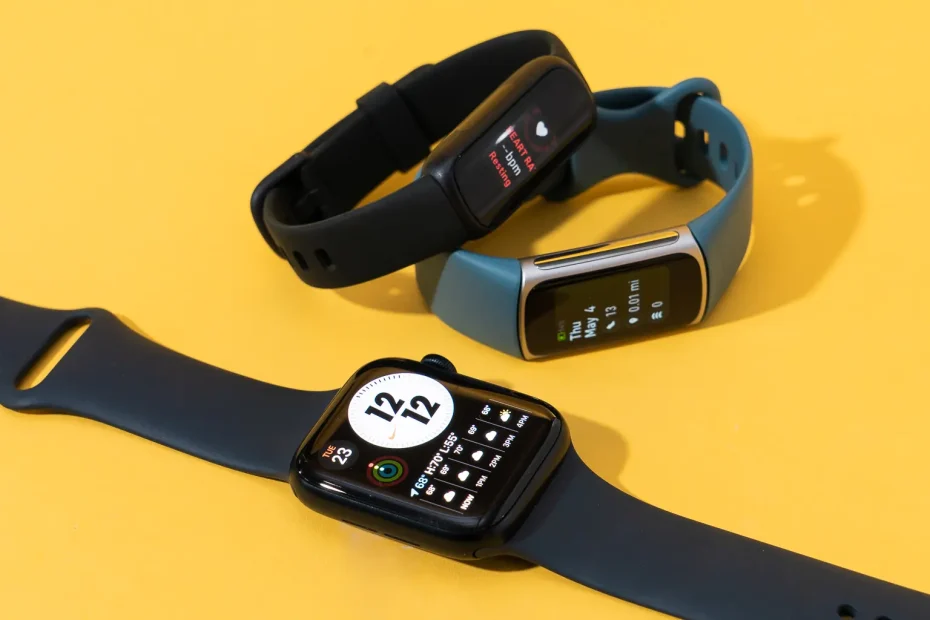
I didn’t buy my first fitness tracker to get fit.
I bought it out of curiosity.
At the time, I just wanted to see how many steps I was taking in a day. I assumed I was fairly active—after all, I was always “busy.” But within a week of wearing that tracker, I realized something uncomfortable:
Being busy is not the same as being active.
That small device on my wrist started showing me patterns I had never paid attention to—how little I moved on certain days, how inconsistent my sleep was, and how quickly my energy dipped when I didn’t take care of myself.
That’s when fitness tracking stopped being a gadget—and started becoming a tool.
In 2026, fitness trackers have become smarter, more accurate, and more insightful. But choosing the right one isn’t about picking the most advanced device. It’s about finding something that fits your lifestyle.
What Actually Matters in a Fitness Tracker
When I first started exploring different trackers, I made the mistake most people make—I focused on features.
More features sounded better.
But over time, I realized that only a few things truly matter:
- Accuracy – If the data isn’t reliable, nothing else matters
- Comfort – If it’s not comfortable, you won’t wear it
- Battery life – Charging every day becomes annoying quickly
- Ease of use – Complicated apps reduce consistency
- Relevant insights – Data should help you improve, not confuse you
The best fitness tracker is not the one that does everything—it’s the one you actually use every day.
Types of Fitness Trackers (What I Learned Over Time)
Not all trackers are built for the same purpose. Understanding this helped me choose better.
Basic Fitness Bands
These are simple and focused.
They track:
- Steps
- Calories
- Sleep
- Basic heart rate
From experience:
These are perfect if you’re just starting out. They give you enough information without overwhelming you.
Mid-Range Trackers (Balanced Option)
These are what most people should consider.
They include:
- More accurate heart rate tracking
- Sleep analysis
- Stress monitoring
- Sometimes GPS
From my experience:
This category offers the best balance between features and usability.
Advanced Fitness Trackers
These are designed for deeper insights.
They track:
- Recovery levels
- Heart rate variability
- Training load
- Detailed sleep cycles
From experience:
These are useful if you’re serious about fitness or performance.
Smartwatch-Style Trackers
These combine fitness tracking with smart features.
They include:
- Notifications
- Apps
- Music control
- Health tracking
From my perspective:
They’re convenient, but sometimes more than what a beginner needs.
What Fitness Trackers Actually Help You Improve
When I look back, the biggest benefit wasn’t the numbers—it was the awareness.
Movement
Before using a tracker, I underestimated how sedentary I was.
After using one:
- I started walking more
- I became conscious of long sitting periods
- I aimed for daily step goals
It wasn’t about hitting perfect numbers—it was about moving more than yesterday.
Sleep
This was the biggest eye-opener.
I thought I was sleeping enough. The tracker showed otherwise.
It revealed:
- Inconsistent sleep patterns
- Poor sleep quality
- Effects of late-night habits
That alone helped me improve my routine.
Heart Rate and Activity
Tracking heart rate helped me understand effort levels.
Instead of guessing:
- I could see when I was actually pushing myself
- I could differentiate between light and intense activity
This made workouts more effective.
Consistency
This is where trackers shine the most.
They don’t just track—they remind you.
And over time, those reminders turn into habits.
Comparison Table: Types of Fitness Trackers
| Type | Features | Ease of Use | Battery Life | Best For | Price Range |
|---|---|---|---|---|---|
| Basic Bands | Steps, sleep | Very Easy | Long | Beginners | Low |
| Mid-Range | Heart rate, stress | Easy | Medium | Everyday users | Medium |
| Advanced | Recovery, HRV | Moderate | Medium | Fitness enthusiasts | High |
| Smartwatch | All-in-one | Moderate | Shorter | Tech users | Medium–High |
What I Learned From Using Different Trackers
Over time, I tried different types of trackers—and something became very clear:
More data doesn’t always mean better results.
At one point, I was tracking everything:
- Steps
- Calories
- Sleep cycles
- Stress levels
But instead of helping, it became overwhelming.
That’s when I simplified my approach.
Now, I focus on just a few things:
- Daily movement
- Sleep consistency
- General activity levels
And that’s been far more effective.
Common Mistakes People Make
I’ve made some of these myself, and I see others do the same:
- Buying expensive trackers and not using them
- Obsessing over numbers instead of habits
- Ignoring comfort and fit
- Choosing features they don’t understand
The goal is not to track everything—it’s to improve something.
How to Choose the Right Fitness Tracker
If I had to guide someone starting today, I’d keep it simple:
- If you’re new → start with a basic or mid-range tracker
- If you want deeper insights → go for advanced tracking
- If you want convenience → consider smartwatch-style
But most importantly:
Choose something you’ll wear every day.
Do You Really Need a Fitness Tracker?
This is an honest question.
You can stay healthy without one.
But from my experience, a tracker helps in one important way:
It shows you the truth.
Not what you think you’re doing—but what you’re actually doing.
And that awareness can be powerful.
Lastly !..
When I first started using a fitness tracker, I expected it to transform my fitness overnight.
It didn’t.
What it did instead was much more valuable—it helped me understand my habits.
And once you understand your habits, change becomes easier.
As a health and fitness enthusiast, I don’t see trackers as essential—but I do see them as helpful.
They won’t walk for you.
They won’t make you sleep better automatically.
They won’t replace discipline.
But they will guide you.
And sometimes, that small bit of guidance is all you need to move in the right direction.