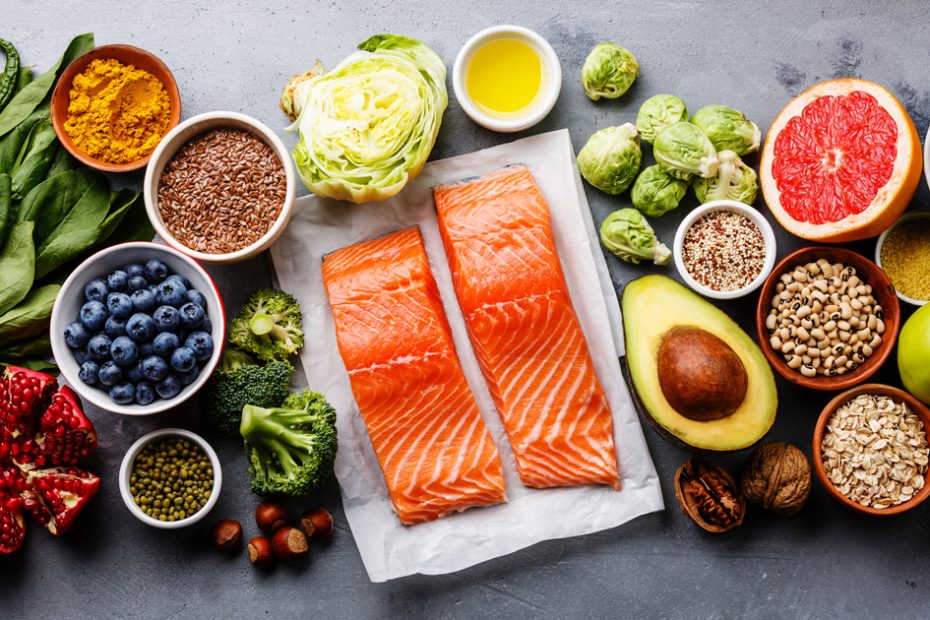
I didn’t start caring about immunity until I had to.
There was a phase—not too long ago—when I was constantly tired. Small weather changes would knock me down, and I’d catch a cold far more often than I’d like to admit. At first, I blamed stress, sleep, even the environment. But eventually, I started looking at something I had been ignoring for years: my food.
As someone who has always been interested in health and nutrition, this realization was both humbling and eye-opening. I was eating enough—but I wasn’t eating right. That’s when I began exploring what people often call “superfoods.”
Not the trendy kind you see all over social media, but the ones that quietly support your body every day. Over time, I learned that boosting immunity is not about one miracle ingredient. It’s about building habits—and certain foods can make that process much easier.
Understanding Immunity Through Food (What Changed My Perspective)
One of the biggest shifts in my thinking was understanding that immunity isn’t something you “boost” overnight. It’s something you build gradually.
Your immune system depends on:
- Vitamins and minerals
- Antioxidants
- Gut health
- Consistency in diet
What surprised me most was how deeply connected gut health is to immunity. A large part of your immune system actually depends on your digestive system. That realization alone changed how I approached food.
Instead of focusing on “quick fixes,” I started looking for foods that:
- Nourish the body consistently
- Support digestion
- Provide essential nutrients
That’s where superfoods come in—not as a shortcut, but as support.
The Superfoods That Made a Real Difference
I didn’t add everything at once. I started small—one or two changes at a time. And over months, not days, I began noticing subtle but meaningful improvements.
Citrus Fruits
This was the easiest place to start.
Oranges, lemons, and grapefruits became a regular part of my mornings. Rich in vitamin C, they help support immune function and are incredibly refreshing.
What I noticed:
I felt more hydrated and slightly more energetic. It wasn’t dramatic, but it was consistent.
Turmeric
This was something I had always seen in the kitchen but never fully appreciated.
Adding turmeric to meals—or even having it with warm milk—became a simple habit.
Why it works:
Turmeric contains curcumin, known for its anti-inflammatory properties.
What I noticed:
It didn’t feel like a quick fix, but over time, I felt less prone to minor aches and fatigue.
Ginger
Ginger quickly became one of my favorites.
I started adding it to tea, soups, and even simple stir-fries.
Why it works:
It supports digestion and has anti-inflammatory benefits.
What I noticed:
My digestion improved noticeably, and I felt lighter after meals.
Garlic
I used to think of garlic only as a flavor enhancer. Now, I see it differently.
Garlic has natural antibacterial and immune-supporting properties.
What I noticed:
Nothing immediate, but it became a consistent part of my cooking—and consistency matters.
Yogurt (Probiotics)
This was one of the biggest changes.
Adding yogurt to my daily meals helped improve gut health, which in turn supports immunity.
What I noticed:
Better digestion, less bloating, and overall comfort after meals.
Spinach and Leafy Greens
I’ll be honest—I didn’t always enjoy greens.
But once I started incorporating spinach into smoothies, curries, and salads, it became easier.
Why it works:
Rich in vitamins A, C, and antioxidants.
What I noticed:
A general sense of improved energy over time.
Nuts and Seeds
Almonds, walnuts, sunflower seeds—these became my go-to snacks.
Why they work:
They provide vitamin E, healthy fats, and essential nutrients.
What I noticed:
They kept me full and reduced unhealthy snacking.
Berries
Berries felt like a luxury at first, but they’re worth it.
Blueberries, strawberries, and others are packed with antioxidants.
What I noticed:
They’re an easy way to add nutrition without effort.
Green Tea
Replacing one cup of regular tea or coffee with green tea made a difference.
Why it works:
Contains antioxidants that support immune health.
What I noticed:
A calmer, more balanced energy level.
Honey
This was a small but meaningful addition.
Using natural honey instead of sugar occasionally helped reduce processed sugar intake.
Why it works:
Has antibacterial properties and soothes the throat.
How These Foods Fit Into Real Life (And What I Learned)
If there’s one thing I’ve learned on this journey, it’s this:
You don’t need a perfect diet—you need a consistent one.
At first, I tried to include everything at once. That didn’t last long. It felt overwhelming, and I quickly went back to old habits.
The real change happened when I simplified things.
A typical day now looks something like this:
- Morning: Warm water with lemon or a fruit
- Breakfast: Yogurt with nuts or a smoothie with spinach
- Lunch: Regular meal with vegetables, garlic, and turmeric
- Evening: Green tea or light snack
- Dinner: Balanced meal with simple, whole ingredients
Nothing complicated. Nothing extreme.
And that’s the point.
These superfoods didn’t transform my health overnight. But over time, I noticed:
- Fewer seasonal illnesses
- Better digestion
- More stable energy levels
Most importantly, I felt more in control of my health.
As a nutrition and health enthusiast, I’ve come to understand that the idea of “superfoods” is often misunderstood.
They’re not magical ingredients that fix everything. They’re simply foods that offer more nutritional value and support your body when used consistently.
The real secret is not in the list—it’s in the habit.
Start small. Add one or two foods. See how your body responds. Build from there.
Because in the end, immunity is not built in a day.
It’s built in everyday choices—meal by meal, habit by habit.
And sometimes, the most powerful changes come from the simplest foods sitting right in your kitchen.