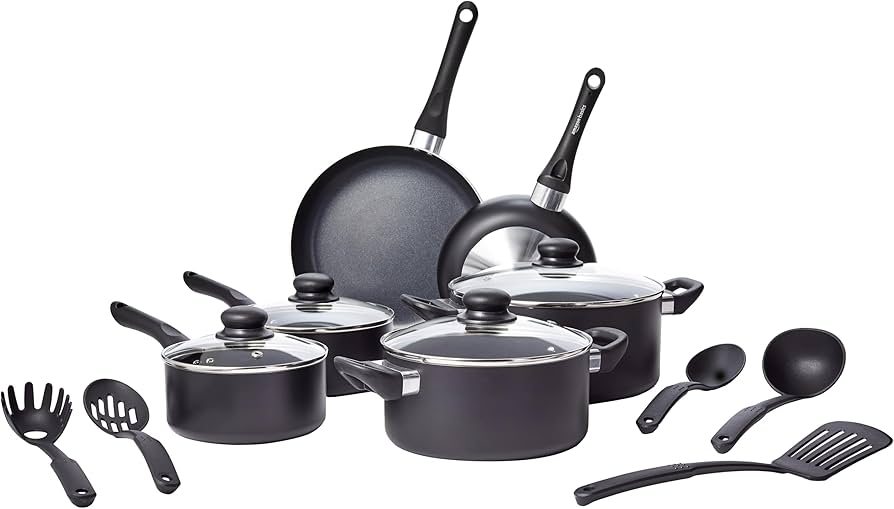
A good non-stick cookware set can quietly transform your kitchen routine. As someone who cooks every day—and also reviews kitchen products on the side—I’ve learned that the best cookware isn’t always the most expensive. It’s the one that works reliably, cleans easily, and doesn’t start sticking just when you’re in a hurry.
In 2026, non-stick cookware has come a long way. We now have ceramic coatings, hard-anodized aluminum, granite finishes, and safer, PFOA-free materials. But despite all the innovation, the real question remains the same:
Does it make everyday cooking easier?
This guide is based on real kitchen experience—what works, what doesn’t, and what actually lasts.
What I Look for in a Good Cookware Set
Before I recommend any cookware, I always test or observe a few key things:
- Durability of the coating – Does it last beyond a few months of daily use?
- Heat distribution – Are there hot spots or does it cook evenly?
- Ease of cleaning – Can I clean it quickly after a long day?
- Weight and comfort – Is it easy to lift, stir, and handle?
- Compatibility – Does it work on gas, induction, or both?
From my experience, if a cookware set performs well in these areas, it’s worth considering.
Types of Non-Stick Cookware (What You Should Know First)
Before choosing a set, it helps to understand the main types available.
Traditional Non-Stick (PTFE-Based)
These are the most common and affordable.
Pros:
- Very smooth cooking surface
- Requires less oil
- Easy to clean
Cons:
- Coating can wear out over time
- Needs careful handling
Best for:
Everyday cooking like eggs, pancakes, and vegetables
Ceramic Non-Stick
A popular choice for health-conscious kitchens.
Pros:
- Free from harmful chemicals
- Lightweight
- Heats quickly
Cons:
- Coating may wear faster than expected
- Not ideal for very high heat
Best for:
Light cooking and low-oil meals
Hard-Anodized Non-Stick
This is what I personally prefer for daily heavy use.
Pros:
- Extremely durable
- Better heat distribution
- Long-lasting coating
Cons:
- Slightly heavier
- Usually more expensive
Best for:
Daily cooking and long-term use
Hybrid / Premium Non-Stick
These combine stainless steel with non-stick coatings.
Pros:
- Professional-level durability
- Excellent heat control
Cons:
- Expensive
- Slight learning curve
Best for:
Serious home cooks
Top Non-Stick Cookware Sets (2026 Recommendations)
Based on my experience and reviews, here are the types of sets I recommend depending on your needs.
Best Overall for Daily Use
A hard-anodized cookware set is the most reliable option if you cook regularly.
Why I recommend it:
- Handles high heat without damage
- Works well for a variety of dishes
- Lasts longer than basic non-stick
This is what I would choose for a busy household kitchen.
Best for Healthy Cooking
Ceramic cookware sets are ideal if you’re trying to reduce oil usage.
Why it works:
- Food doesn’t stick easily
- Requires minimal oil
- Lightweight and easy to handle
I often use ceramic pans for breakfast items and light meals.
Best Value for Money
If you’re setting up a new kitchen, a complete non-stick set is a practical choice.
Why it works:
- Covers all essential cookware needs
- More cost-effective than buying items separately
- Great for beginners
However, I always suggest choosing quality over quantity.
Best Premium Option
If you enjoy cooking and want long-lasting cookware, premium sets are worth considering.
Why I recommend them:
- Superior heat control
- Durable construction
- Better cooking results
These are ideal if cooking is more than just a daily task for you.
Best for Small Kitchens
Not everyone needs a large cookware set.
Why smaller sets work:
- Easier to store
- Less clutter
- Covers basic needs
In my own kitchen, I use only a few pans daily despite owning a larger set.
Comparison Table: Non-Stick Cookware Types
| Feature | Traditional Non-Stick | Ceramic | Hard-Anodized | Premium Hybrid |
|---|---|---|---|---|
| Durability | Medium | Medium-Low | High | Very High |
| Heat Distribution | Good | Moderate | Excellent | Excellent |
| Weight | Light | Light | Medium | Heavy |
| Maintenance | Easy | Easy | Easy | Moderate |
| Oil Usage | Low | Very Low | Low | Low |
| Lifespan | 1–3 years | 1–2 years | 3–5 years | 5+ years |
| Best For | Everyday cooking | Healthy cooking | Daily heavy use | Advanced cooking |
What I’ve Learned from Daily Use
After years of cooking and testing cookware, here’s something simple:
You don’t need the “best” cookware—you need the one that fits your routine.
- If you cook multiple meals daily → choose durability
- If you cook occasionally → go for convenience
- If you enjoy cooking → invest in quality
- If you’re short on time → prioritize easy cleaning
For me, a combination works best: one durable pan, one lightweight pan, and a good saucepan.
Common Mistakes to Avoid
I’ve made some of these mistakes myself, and I see others make them too:
- Buying a large set but using only a few pieces
- Using metal utensils and damaging the coating
- Cooking on very high heat unnecessarily
- Not replacing cookware when coating wears off
Non-stick cookware needs a bit of care, but it’s worth it.
Simple Tips to Make Your Cookware Last Longer
From my experience, these small habits make a big difference:
- Use wooden or silicone utensils
- Avoid overheating empty pans
- Wash gently instead of scrubbing harshly
- Let the pan cool before washing
These steps can easily extend the life of your cookware by years.
Trends in Non-Stick Cookware (2026)
Cookware is becoming safer and more practical:
- Increased use of toxin-free coatings
- Rise of ceramic and eco-friendly materials
- Better compatibility with induction cooktops
- Focus on durability and long-term value
Even mid-range cookware today performs much better than older options.
Final Verdict: What Should You Choose?
If I had to recommend based on real kitchen use:
- For daily cooking: Hard-anodized cookware
- For healthy meals: Ceramic cookware
- For beginners: Value cookware sets
- For enthusiasts: Premium hybrid cookware
- For small kitchens: Compact sets
Cooking is a daily habit, not a one-time event. The cookware you use becomes part of your routine, your timing, and even your mood in the kitchen.
As a home maker and part-time reviewer, my advice is simple:
Choose cookware that makes your life easier—not just something that looks good on a shelf.
Because in a real kitchen, what matters most is not how fancy your cookware is, but how reliably it helps you cook every single day.