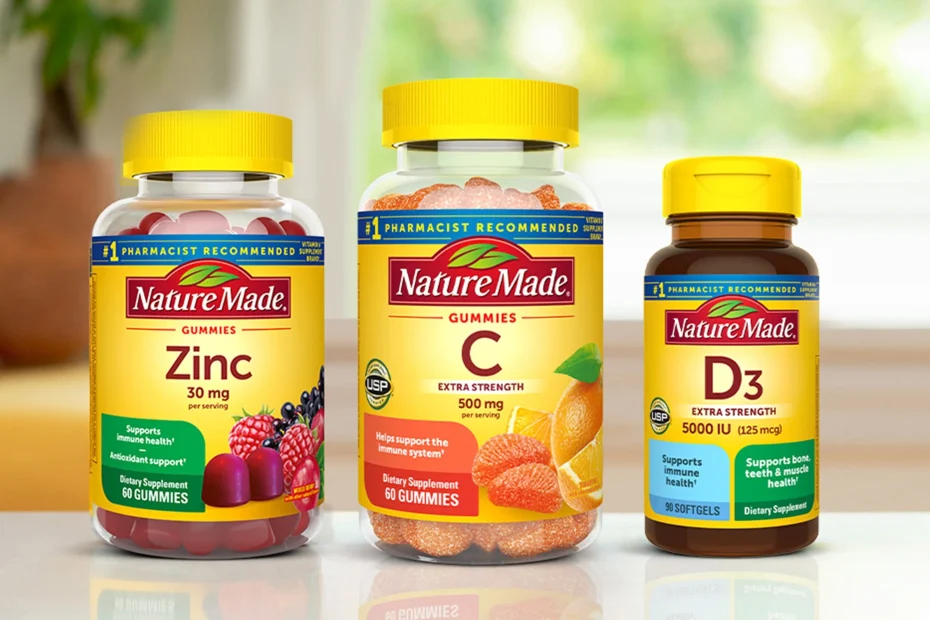
I used to think more supplements meant better health.
At one point, my kitchen shelf looked like a small pharmacy—multivitamins, vitamin C, vitamin D, omega-3, probiotics… even things I couldn’t properly pronounce. Every new article or recommendation made me feel like I was missing something essential.
But here’s what I eventually learned, after months of trial, reading, and paying attention to my own body:
Most of us don’t need everything—we just need the right things.
That realization didn’t come overnight. It came from simplifying, understanding my diet, and recognizing when supplements actually helped… and when they didn’t.
Understanding What Your Body Really Needs (And What It Doesn’t)
The turning point for me was when I stopped asking, “What supplements should I take?” and started asking, “What am I missing in my diet?”
Because supplements are exactly what the name suggests—they supplement, not replace.
Your body primarily needs:
- Whole foods for nutrients
- Balanced meals for energy
- Consistency for long-term health
Supplements step in only when there’s a gap.
For example, during a particularly busy phase, my meals became irregular. I noticed fatigue creeping in, my focus dropping, and my energy levels fluctuating. Instead of blindly adding more supplements, I took a step back and evaluated what was missing.
That’s when I began to understand which vitamins actually matter daily—and why.
The Core Vitamins and Supplements That Make a Difference
Over time, I narrowed things down to a few essentials—not based on trends, but on real impact.
Vitamin D (The One Most People Overlook)
If there’s one supplement I consistently come back to, it’s vitamin D.
Why it matters:
- Supports immune function
- Helps with bone health
- Plays a role in mood regulation
What I noticed:
During periods when I wasn’t getting enough sunlight, supplementing vitamin D made a noticeable difference in my energy and overall well-being.
Vitamin B Complex (Energy and Metabolism)
I didn’t pay much attention to B vitamins at first, but they’re crucial.
Why they matter:
- Support energy production
- Help with brain function
- Assist in metabolism
What I noticed:
When my diet lacked variety, adding a B-complex supplement helped stabilize my energy levels.
Vitamin C (Not Just for Colds)
Like most people, I associated vitamin C with immunity.
But it does more than that.
Why it matters:
- Antioxidant support
- Helps with skin health
- Supports immune response
What I noticed:
While it’s easy to get from fruits, I occasionally supplement during stressful periods or seasonal changes.
Omega-3 Fatty Acids (Often Missing in Diets)
This was a big one for me.
Unless you eat fatty fish regularly, you might not get enough omega-3s.
Why they matter:
- Support heart health
- Help with brain function
- Reduce inflammation
What I noticed:
After consistently taking omega-3, I felt a subtle improvement in focus and overall well-being.
Magnesium (The Quiet Supporter)
Magnesium is one of those nutrients you don’t think about—until you need it.
Why it matters:
- Supports muscle function
- Helps with sleep
- Aids in stress management
What I noticed:
Better sleep quality and reduced muscle tension.
Probiotics (Gut Health = Overall Health)
This was one of the most noticeable changes for me.
Why they matter:
- Support gut health
- Improve digestion
- Influence immunity
What I noticed:
Less bloating, better digestion, and overall comfort.
Multivitamins (Helpful, But Not Essential for Everyone)
Multivitamins can be useful—but they’re not always necessary.
Why they matter:
- Cover general nutrient gaps
- Convenient for busy lifestyles
What I noticed:
They’re helpful during hectic periods, but not a substitute for a good diet.
What I Learned About Choosing Supplements
One of the biggest mistakes I made early on was assuming all supplements are equal.
They’re not.
Here’s what I look for now:
- Quality over quantity – Fewer, better supplements
- Clean ingredients – Avoid unnecessary fillers
- Appropriate dosage – More is not always better
- Third-party testing – For safety and reliability
I also learned to avoid blindly following trends. Just because something works for someone else doesn’t mean you need it.
Comparison Table: Daily Vitamins and Supplements
| Supplement | Primary Benefit | Best Time to Take | Who Might Need It | Daily Necessity |
|---|---|---|---|---|
| Vitamin D | Immunity, bones | Morning | Low sunlight exposure | High |
| Vitamin B Complex | Energy | Morning | Busy lifestyle | Medium |
| Vitamin C | Immunity, skin | Anytime | Low fruit intake | Medium |
| Omega-3 | Heart, brain | With meals | Low fish intake | High |
| Magnesium | Sleep, relaxation | Evening | Stress, poor sleep | Medium |
| Probiotics | Gut health | Morning/Empty stomach | Digestive issues | Medium |
| Multivitamin | General support | Morning | Nutrient gaps | Optional |
Common Mistakes I Made (And See Others Make)
Looking back, I made several mistakes that I now try to avoid:
- Taking too many supplements at once
- Expecting instant results
- Ignoring diet while relying on pills
- Not understanding actual needs
Supplements are not shortcuts. They work best when combined with good habits.
How I Approach Supplements Today
My approach now is much simpler—and far more effective.
I focus on:
- Eating balanced meals
- Identifying gaps in my diet
- Using supplements only when needed
Some days, I take a few supplements. Other days, none at all.
And that’s okay.
Because consistency matters more than perfection.
As a nutrition and health enthusiast, I’ve learned that supplements can be helpful—but they’re not the foundation of good health.
The foundation is still:
- Whole foods
- Balanced nutrition
- Regular habits
Supplements are just support.
If you’re just starting out, don’t try to take everything. Start small. Pay attention to your body. Adjust as needed.
Because in the end, the goal is not to build a collection of supplements—
It’s to build a lifestyle that keeps you healthy, energized, and balanced every day.