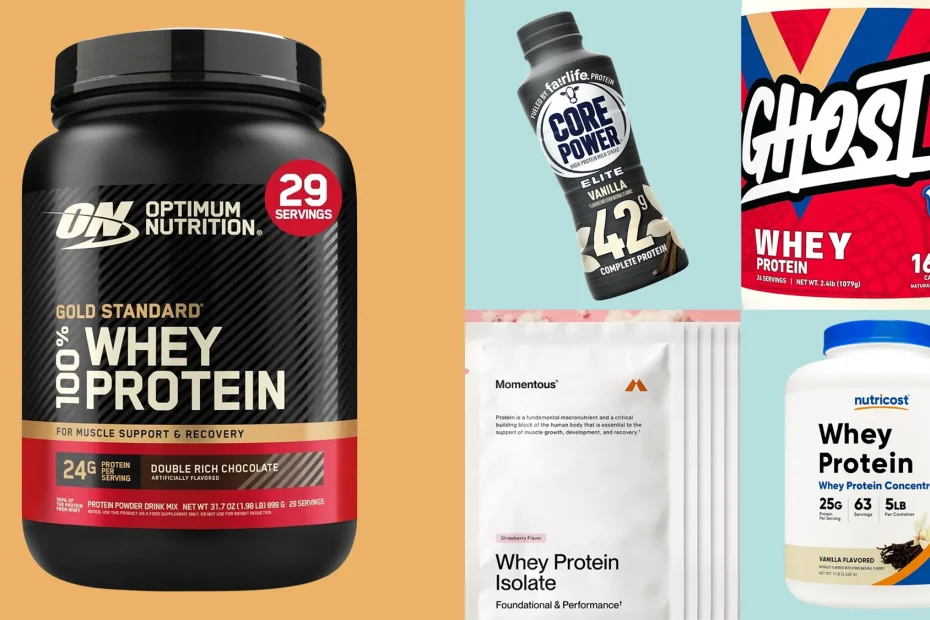
I didn’t start using protein powder because I wanted to build muscle.
In fact, the first time I bought one, it sat in my kitchen cabinet for weeks. I had picked it up thinking it would somehow make my diet “healthier,” but I had no idea what I was doing—how much to take, when to take it, or even if I really needed it.
Like many people, my journey into protein powders started with confusion.
Over time, as I became more conscious about nutrition—reading labels, understanding macros, and experimenting with different diets—I realized something important:
Protein powder is not a magic supplement. It’s simply a tool.
And like any tool, its value depends on how you use it.
Why Protein Matters More Than You Think
Before we talk about powders, let’s talk about protein itself.
Protein is not just for bodybuilders. It plays a role in:
- Muscle repair and growth
- Satiety (keeping you full longer)
- Hormone production
- Overall metabolism
When I started tracking my meals, I realized I wasn’t getting enough protein from food alone—especially on busy days. That’s when protein powder stopped feeling optional and started becoming practical.
The First Mistake Most People Make
My first purchase was based on brand popularity.
Big mistake.
I didn’t check:
- Ingredients
- Protein content per scoop
- Added sugars
- Type of protein
The result? A tub that tasted overly sweet and didn’t sit well with me.
That experience taught me something simple:
Don’t choose protein powder based on hype—choose it based on your needs.
Types of Protein Powders (What I Learned Over Time)
As I explored more options, I realized not all protein powders are the same. Each type serves a different purpose.
Whey Protein (The Most Popular Choice)
This is where most people start—and for good reason.
Whey protein is derived from milk and is quickly absorbed by the body.
What I noticed:
- Easy to mix
- Smooth texture
- Works well after workouts
There are two common types:
- Whey concentrate (more affordable, slightly more carbs and fats)
- Whey isolate (higher protein, lower lactose)
For me, whey isolate worked better because it felt lighter and easier to digest.
Casein Protein (Slow and Steady)
Casein is also milk-based but digests much more slowly.
I started using it at night after reading about its slow release.
What I experienced:
- Keeps you full longer
- Ideal before bedtime
It’s not something I use daily, but it has its place.
Plant-Based Protein (A Game Changer for Many)
At one point, I tried switching to plant-based protein out of curiosity.
These are usually made from:
- Pea protein
- Brown rice protein
- Hemp protein
My honest take:
- Slightly different taste
- Sometimes grainier texture
- But easier on digestion
For anyone who is lactose intolerant or prefers vegan options, this is a great choice.
Collagen Protein (More Than Just Muscle)
This one surprised me.
Collagen protein is often marketed for skin, hair, and joints rather than muscle building.
When I tried it:
- It mixed easily in coffee
- No strong taste
- Didn’t feel like a “protein shake”
It’s not a complete protein, but it serves a different purpose.
What Actually Matters When Choosing Protein Powder
After trying multiple products, I’ve narrowed it down to a few things that truly matter.
1. Protein Content per Serving
This is the most obvious but often overlooked.
Look for:
- At least 20–25 grams of protein per scoop
Anything significantly lower may not be worth it unless you have a specific reason.
2. Ingredient List
This is where things get interesting.
Some powders are clean and simple. Others are filled with:
- Artificial sweeteners
- Additives
- Fillers
I’ve learned to choose products with shorter, cleaner ingredient lists.
3. Sugar and Sweeteners
The first protein powder I bought tasted like dessert—and not in a good way.
Now I prefer:
- Low sugar
- Naturally sweetened options
Because in the long run, taste fatigue is real.
4. Digestibility
This is very personal.
Some people handle whey perfectly. Others experience bloating.
For me:
- Whey isolate works well
- Plant protein works best when I want something lighter
You’ll only know by trying.
5. Taste and Mixability
Let’s be honest—if it doesn’t taste good, you won’t use it.
I’ve had powders that clumped, tasted chalky, or felt too heavy.
The best ones:
- Mix easily
- Have a smooth texture
- Don’t overpower your drink
Comparison Table: Types of Protein Powders
| Type | Absorption Speed | Best Time to Use | Digestibility | Taste | Best For |
|---|---|---|---|---|---|
| Whey Protein | Fast | Post-workout | Good | Smooth | Muscle recovery |
| Casein Protein | Slow | Night | Moderate | Creamy | Sustained release |
| Plant Protein | Moderate | Anytime | Very Good | Slightly grainy | Vegan diets |
| Collagen Protein | Fast | Anytime | Excellent | Neutral | Skin & joints |
How I Use Protein Powder in Daily Life
Over time, protein powder became part of my routine—but not in a rigid way.
Some days I use it in:
- Morning smoothies
- Post-workout shakes
- Evening snacks
Other days, I skip it completely if my meals are balanced.
That’s the key: it’s a supplement, not a replacement for real food.
Common Mistakes I See People Make
Looking back, I made some of these myself:
- Taking too much protein unnecessarily
- Replacing meals completely with shakes
- Ignoring whole food sources
- Choosing based only on brand popularity
Protein powder should support your diet, not replace it.
Are Expensive Protein Powders Worth It?
Not always.
Some premium brands offer:
- Better ingredient quality
- Cleaner formulations
- Improved taste
But there are also mid-range options that perform just as well.
What matters more is:
- Ingredient quality
- Protein content
- How your body responds
Who Should Actually Use Protein Powder
From my experience, protein powder is useful if:
- You have a busy schedule
- You struggle to meet protein needs
- You work out regularly
- You want a convenient nutrition option
If your diet already includes enough protein, you may not need it daily.
Final Thoughts: What Should You Choose?
If I had to simplify everything I’ve learned:
- Start with whey protein if you’re new
- Try plant-based if you have digestion issues
- Use casein if you want something for nighttime
- Consider collagen for overall wellness
But more importantly:
Pay attention to how your body responds.
Final Reflection
When I look back at that first unused tub of protein powder sitting in my kitchen, I realize the problem wasn’t the product—it was the lack of understanding.
Today, protein powder is just another part of my routine. Not essential, not magical—just useful.
As a nutrition and health enthusiast, my advice is simple:
Don’t chase trends.
Don’t overcomplicate it.
And don’t expect miracles.
Choose what fits your lifestyle, your body, and your goals.
Because in the end, the best protein powder is not the most popular one—
It’s the one you’ll actually use consistently.