I still remember the day I brought my dog home. He was small, curious, and full of energy. Like most new pet owners, I was excited, but also a little lost. One of the first questions that came to my mind was something very basic, yet very important—what should I feed him?
At first, I thought feeding a dog would be simple. Just buy any dog food and serve it. But within a few weeks, I realized it wasn’t that easy. My dog would sometimes eat happily, sometimes refuse food, and sometimes have digestion issues. That’s when I understood that choosing the right dog food is not just about convenience, it’s about understanding your pet’s needs.
Over time, through trial, reading, and a lot of observation, I started learning what actually works. This is not just a list of brands, but a practical guide based on real experience as a pet owner.
Understanding What Your Dog Really Needs
In the beginning, I used to focus only on brand names. If something looked popular or was recommended by someone, I assumed it must be good. But dogs, like humans, have individual needs. What works for one may not work for another.
I slowly learned that a dog’s diet should be balanced. It should include protein for muscle health, fats for energy, and essential vitamins and minerals for overall well-being. Age also plays a big role. A puppy has very different nutritional needs compared to an adult or senior dog.
My dog, for example, had a sensitive stomach. So even if a food was considered high quality, it didn’t always suit him. This taught me to pay attention not just to what the packaging says, but how my dog reacts to the food.
I also started reading ingredient labels more carefully. I began to prefer foods where meat was clearly mentioned as a primary ingredient, rather than vague terms. Over time, I realized that simpler, clearer ingredient lists often worked better.
Another important lesson was consistency. Changing food too frequently can upset a dog’s digestion. Once I found something that suited him, I stuck with it and only made changes slowly when needed.
Dog Food Brands in India That Pet Owners Trust
As I explored different options, I came across a few brands that are widely trusted by pet owners in India. Each one has its own strengths, and choosing between them often depends on your dog’s needs and your budget.
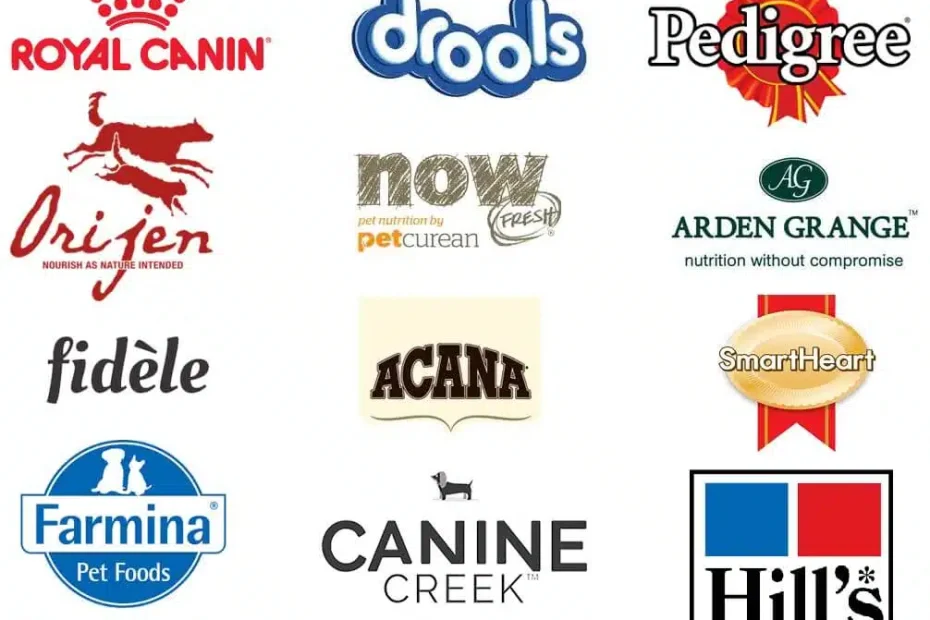
Brands like Pedigree are very common and easily available. Many pet owners start with it because it is affordable and accessible. It works well for many dogs, especially in the beginning, but some dogs may need something more specialized.
Royal Canin is another brand that I found interesting. It focuses on breed-specific and condition-specific nutrition. When I first tried it, I noticed a difference in my dog’s coat and digestion. It is more expensive, but for some dogs, it can be worth it.
Drools is a brand that many Indian pet owners prefer for its balance between price and quality. I’ve seen it work well for dogs that need a slightly higher protein intake without going into very expensive options.
Farmina is something I discovered later. It focuses more on natural ingredients and grain-free options. When I switched to this for a while, I felt the quality was noticeably different, especially in terms of ingredients.
Then there are newer brands like Heads Up For Tails, which offer more premium and often more natural options. These are not always necessary for every dog, but they are good to explore if you are looking for variety or specific dietary needs.
What I’ve learned is that there is no single “best” brand. The best brand is the one that your dog enjoys eating, digests well, and stays healthy on.
What I Learned Over Time as a Pet Owner
Looking back, I realize that feeding a dog is not just about filling a bowl. It’s about understanding, observing, and adapting.
In the beginning, I made the mistake of focusing too much on what others recommended. But over time, I started paying more attention to my dog. His energy levels, his coat, his digestion, even his mood after eating—these became my real indicators.
I also learned that mixing home food with commercial dog food can sometimes work well. Simple additions like boiled chicken, rice, or vegetables can make meals more enjoyable and nutritious. But this needs to be done carefully, without disturbing the balance of nutrients.
Another important lesson was portion control. Overfeeding is just as harmful as underfeeding. I used to think giving more food meant better care, but I later understood that maintaining a healthy weight is very important for a dog’s long-term health.
Treats were another area where I had to be careful. It’s easy to give in to those hopeful eyes, but too many treats can affect health. Now I try to keep treats occasional and meaningful.
The biggest realization, however, was that every dog is different. What works perfectly for one may not suit another at all. There is no universal rule.
As a pet owner, one of the most important responsibilities is making sure your dog gets the right nutrition. It may seem confusing at first, with so many brands and options available, but it becomes easier with time and experience.
Start simple. Choose a good quality food. Observe your dog. Make small adjustments when needed.
You don’t need the most expensive food. You don’t need to follow every trend. What you need is awareness and consistency.
Because at the end of the day, your dog doesn’t care about brand names or labels. What matters is how they feel—healthy, energetic, and happy.
And as a pet owner, there’s nothing more satisfying than seeing that wagging tail after a good meal.